Can Men’s Multivitamins Support Gratitude Practice? How MenTools One A Day Helps Your Brain
Quick Answer
Several nutrients found in a good men’s multivitamin have authorised roles in supporting normal psychological function, mental performance, and the reduction of tiredness and fatigue—all of which can make it easier to sustain daily habits like gratitude practice.
Key authorised nutritional roles to look for:
- Magnesium: Contributes to normal psychological function and reduction of tiredness and fatigue
- Pantothenic acid (B5): Contributes to normal mental performance
- Vitamins B2, B3, B6, B12, vitamin C + magnesium: Contribute to the reduction of tiredness and fatigue
- Zinc (and iodine where included): Contribute to normal cognitive function
- Vitamin C, vitamin E + selenium: Contribute to the protection of cells from oxidative stress
When choosing a multivitamin, look for: chelated mineral forms (e.g. bisglycinate), active B-vitamin forms (methylcobalamin B12, P-5-P B6, 5-MTHF folate), meaningful NRV coverage appropriate for your needs, and products carrying only legally authorised health claims.
Supplements are foods, not medicines—they are designed to support normal health and nutrient status alongside a balanced lifestyle, not to diagnose, treat, prevent, or cure any medical condition.
Jump to: Nutrient Table | The Research | Daily Practice | FAQs
Disclosure: MenTools publishes this article and sells MenTools One A Day. We may benefit if you choose to purchase through our site.
How we evaluate: We assess mineral form quality, dose versus NRV, authorised health claims, and male-specific design. Full sources are listed in the references below.
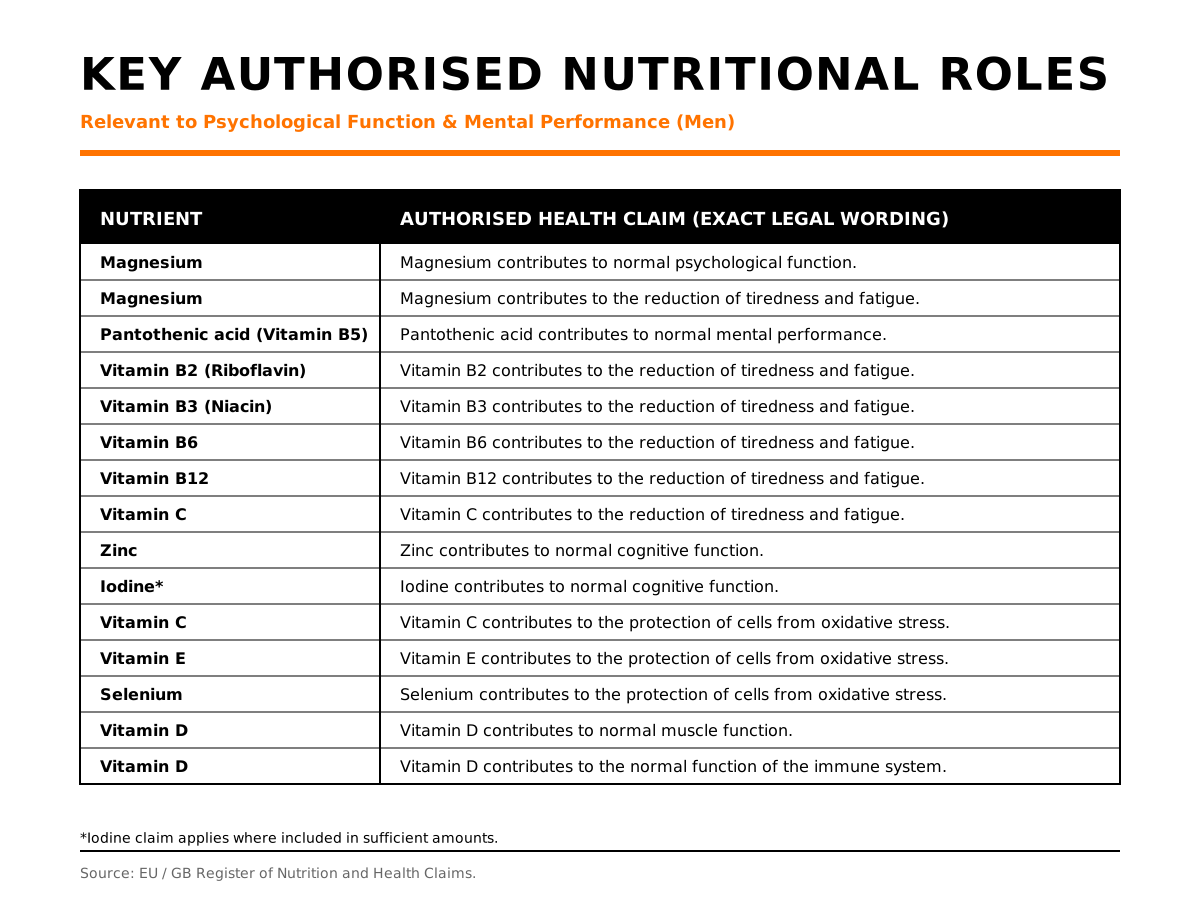
Key authorised nutritional roles of vitamins and minerals relevant to psychological function and mental performance in men.
Why Nutrition Matters for Sustaining Daily Mental Habits
The Role of Normal Nutrient Status in Psychological Wellbeing
Many men find it difficult to sustain daily mental habits such as gratitude journaling or reflective practice. While consistency and motivation are key, normal nutrient status also plays a recognised role in supporting psychological function and reducing tiredness and fatigue—two factors that influence whether habits stick.
Under UK and EU food law, certain nutrients carry authorised health claims directly relevant to psychological wellbeing. These claims are based on established nutritional science and are the only claims that may lawfully be made for food supplements in the UK. This article uses only those authorised claims when describing what nutrients contribute to.
This is education, not medical advice. If you have questions about your health or nutrient status, speak with your GP or a qualified healthcare professional.
Common nutritional shortfalls in UK men relevant to psychological function:
- Vitamin D: UK public health guidance advises considering vitamin D supplementation during autumn and winter, particularly when sun exposure is low [7]
- Magnesium: Research suggests shortfalls are common, particularly in people under chronic stress [1][5]
- B6 and B12: Food processing and dietary restriction can reduce intake of these key B-vitamins [4]
Authorised Nutritional Roles: What the Research Says
| Nutrient | Authorised Health Claim (exact legal wording) | Form in MenTools One A Day |
|---|---|---|
| Magnesium | Magnesium contributes to normal psychological function and to the reduction of tiredness and fatigue | Magnesium bisglycinate 100mg |
| Pantothenic acid (B5) | Pantothenic acid contributes to normal mental performance | Pantothenic acid 10mg (167% NRV) |
| B2, B3, B6, B12, Vitamin C + Magnesium | Vitamins B2, B3, B6, B12, vitamin C and magnesium contribute to the reduction of tiredness and fatigue | Active B-vitamin forms: methylcobalamin B12, P-5-P B6, 5-MTHF folate |
| Zinc (and iodine where included) | Zinc contributes to normal cognitive function. Iodine contributes to normal cognitive function. | Zinc bisglycinate 10mg (100% NRV). Iodine (where included): see product label for amount and form. |
| Vitamin C, Vitamin E + Selenium | Vitamin C, vitamin E and selenium contribute to the protection of cells from oxidative stress | Selenium L-selenomethionine 55µg; Vitamin C 80mg; Vitamin E 12mg |
| Vitamin D | Vitamin D contributes to normal muscle function and to the normal function of the immune system | Cholecalciferol (D3) 25µg / 1,000 IU (500% NRV) |
| Vitamin D + Vitamin K (where included) | Vitamin D and vitamin K contribute to the maintenance of normal bones | Vitamin D3 25µg + Vitamin K (where included): see product label for amount and form |
These are the only authorised health claims for these nutrients under UK/EU food supplement regulations. All claims above are reproduced in exact legal wording. Source: EU Register of Nutrition and Health Claims [10].
The Research: What Studies Have Found on These Nutrients
The studies below are independent research findings. They describe outcomes observed in research participants, not promises of what any individual will experience with MenTools One A Day. Individual results vary based on baseline nutrient status, diet, age, and lifestyle.
Magnesium + Vitamin B6: Research on Stress and Psychological Function
MenTools One A Day contains: Magnesium bisglycinate 100mg + Pyridoxal-5-phosphate (P-5-P) 2mg
Authorised claim: Magnesium contributes to normal psychological function and to the reduction of tiredness and fatigue. Vitamins B2, B3, B6, B12, vitamin C and magnesium contribute to the reduction of tiredness and fatigue.
An 8-week randomised controlled trial (Pouteau et al., 2018) found that magnesium and vitamin B6 supplementation was associated with changes in Depression Anxiety Stress Scale (DASS-42) scores in stressed adults with low magnesium [5]. A further study (Noah et al., 2021) found quality-of-life measures continued to change over 8 weeks of supplementation [1]. These are research findings in specific populations—they are not claims about what MenTools One A Day will do for any individual.
Vitamin D: Research on Serotonin Pathways and UK Prevalence
MenTools One A Day contains: Cholecalciferol (D3) 25µg / 1,000 IU (500% NRV)
Authorised claim: Vitamin D contributes to normal muscle function and to the normal function of the immune system.
Research by Patrick and Ames (2014) proposed that vitamin D regulates the tryptophan hydroxylase 2 (TPH2) enzyme involved in serotonin synthesis in the brain [2]. A 2024 meta-analysis (Alimohammadi-Kamalabadi et al.) found an association between vitamin D supplementation and serum serotonin levels in study participants [11]. These are mechanistic and observational research findings. UK public health guidance advises considering vitamin D supplementation during autumn and winter, particularly when sun exposure is low [7]. Supplementation can help maintain normal vitamin D status in those at risk of shortfall.
Zinc: Research on BDNF and Cognitive Function
MenTools One A Day contains: Zinc bisglycinate 10mg (100% NRV)
Authorised claim: Zinc contributes to normal cognitive function. Zinc also contributes to the maintenance of normal testosterone levels.
A 2018 review (Wang et al.) explored the relationship between zinc status and brain-derived neurotrophic factor (BDNF) in the hippocampus and cortex, noting that zinc deficiency was associated with reduced neurogenesis in research models [3]. These are findings from research literature—they describe zinc’s nutritional roles, not outcomes you will experience from taking MenTools One A Day.
B-Vitamin Complex: Research on Neurotransmitter Cofactors
MenTools One A Day contains: Pantothenic acid (B5) 10mg | B6 (P-5-P) 2mg | B12 (methylcobalamin) 25µg | Folate (5-MTHF) 200µg
Authorised claims: Pantothenic acid contributes to normal mental performance. Vitamins B2, B3, B6, B12, vitamin C and magnesium contribute to the reduction of tiredness and fatigue.
A 2016 review by Kennedy found that B-vitamins act as cofactors in the biochemical pathways involved in dopamine and serotonin synthesis, and that even mild deficiency in B6 may affect neurotransmitter production [4]. Folate and B12 support the methylation cycle required for normal neurotransmitter function. These are general nutritional science findings—MenTools uses bioactive B-vitamin forms (methylcobalamin B12, P-5-P B6, 5-MTHF folate) commonly discussed in nutrition literature as “active” forms used by the body.
Selenium + Antioxidants: Authorised Role in Cell Protection
MenTools One A Day contains: Selenium (L-selenomethionine) 55µg + Vitamin C 80mg + Vitamin E 12mg
Authorised claim: Vitamin C, vitamin E and selenium contribute to the protection of cells from oxidative stress.
Oxidative stress has been associated with low mood in research literature (Wang et al., 2018) [3]. The authorised role of these nutrients is in cell protection from oxidative stress—this is the claim that may lawfully be made, and no further implied benefit beyond this claim is intended or stated.
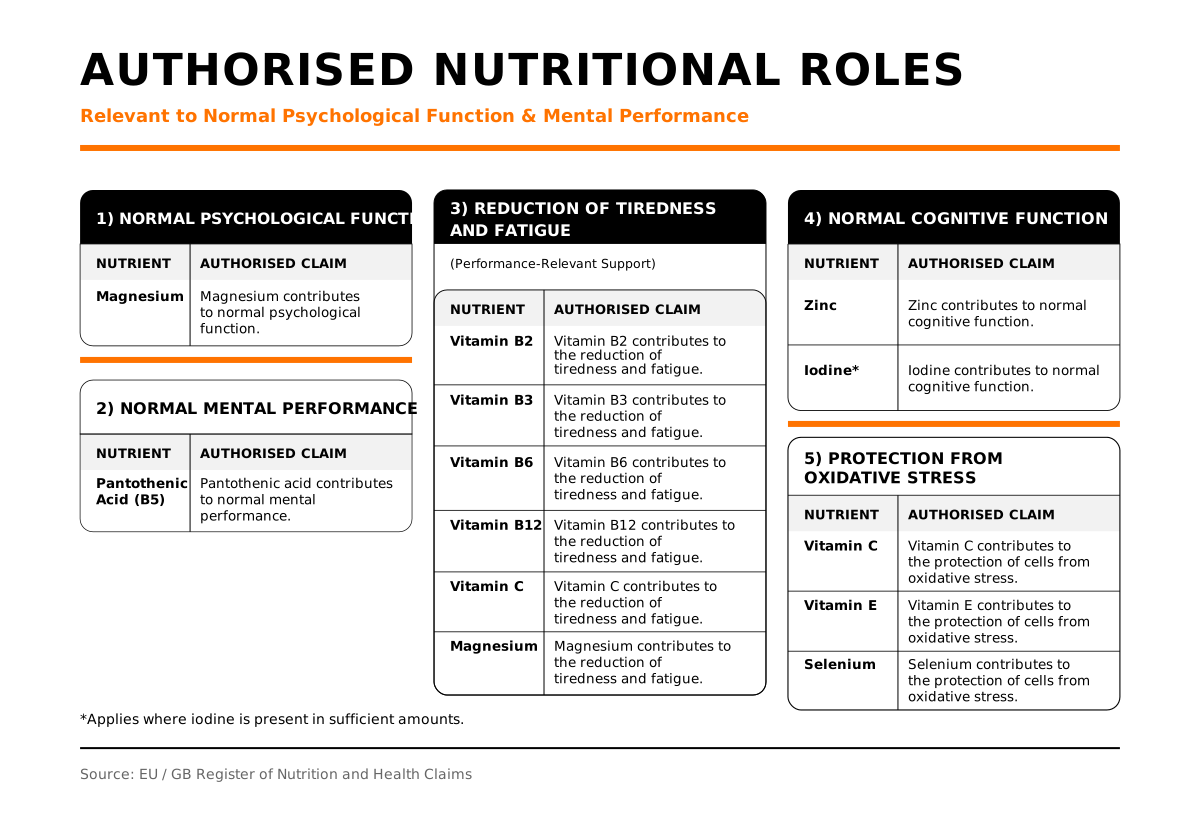
Educational overview: Authorised nutritional roles of key vitamins and minerals in supporting normal psychological function and mental performance.
Practical Guidance: Pairing Daily Nutrition with a Gratitude Habit
This section is educational guidance only, not a medical protocol. Results vary between individuals.
Morning Routine (5 Minutes)
Step 1: Take MenTools One A Day with breakfast (one capsule)
- Pair with a meal containing healthy fats to support absorption of fat-soluble vitamins (D and E)
- Taking your supplement at the same time each day helps build a consistent habit
Step 2: 3-Minute Gratitude Practice
- Write 3 specific things you are grateful for—be specific rather than generic
- Note why each matters to you personally
- Example: “Grateful for morning coffee—gives me 20 minutes of quiet focus before the day starts”
Why pair the two? Taking your supplement at the same time as your gratitude practice helps anchor both habits together. Research supports the value of consistent daily gratitude practice for life satisfaction and wellbeing [9]—and maintaining normal nutrient status supports the psychological function needed to sustain daily habits.
Enhance your practice: Try our guided 3-minute breathwork tool for gratitude reset alongside your morning routine—breathwork is commonly used as a relaxation and focus tool and can be a complementary habit-building practice.
Weekly Habit Tracking
Useful markers to self-monitor:
- Mood consistency: Rate 1–10 daily to notice personal patterns over time
- Gratitude practice completion: Track daily adherence—consistency matters more than perfection
- Energy levels: B-vitamins and magnesium contribute to normal energy metabolism; note any changes
- Sleep quality: A factor in psychological function—track alongside supplementation
Note: These are self-monitoring suggestions. They are not medical assessments. Consult a healthcare professional if you have concerns about your health.
Integration with Existing Gratitude Methods
If you journal:
- Take MenTools One A Day with breakfast before your journaling session
- Consistency of both habits—not timing—is the most important factor
If you practise mindfulness:
- Magnesium contributes to normal psychological function, which may complement a mindfulness practice aimed at stress management
- Vitamin D status is relevant to normal immune and muscle function; supporting normal levels is good general health practice
If you express gratitude to others:
- Zinc (and iodine where included) contribute to normal cognitive function, supporting the mental clarity involved in social interaction
- Reducing tiredness and fatigue (B-vitamins, magnesium) may make it easier to be present in those moments
Ready to go further? Join our Gratitude Framework to build sustainable daily habits around focus and reflection—designed to complement your nutrition and gratitude routine.
Key Research Findings: Statistics and Data Points
All statistics below are from independent research studies. They describe findings from specific study populations and are not promises of outcomes for MenTools product users. Individual responses vary.
1. Gratitude interventions and wellbeing
A 2023 meta-analysis of 64 randomised controlled trials (6,700+ participants) found gratitude interventions were associated with increased feelings of gratitude (4%), life satisfaction (6.86%), and, in some studies, reductions in self-reported anxiety and depression symptom measures (7.76% and 6.89% respectively) [9].
2. Magnesium + B6 in stressed adults
An 8-week trial in stressed adults with low magnesium found the combination of magnesium and vitamin B6 was associated with changes in DASS-42 stress scores of 44.9% over the study period [5]. This is a research finding in a specific population, not a claim about MenTools One A Day outcomes.
3. Vitamin D and UK population status
UK public health guidance advises that people should consider vitamin D supplementation during autumn and winter when sunlight exposure is lower [7]. Supplementation can help maintain normal vitamin D status.
4. Zinc and BDNF in research literature
Research (Wang et al., 2018) found associations between zinc status and brain-derived neurotrophic factor (BDNF) levels in the hippocampus and cortex [3]. Zinc contributes to normal cognitive function (authorised claim). Iodine contributes to normal cognitive function where it is included in a product and present in sufficient amounts (see product label).
5. B-vitamins as neurotransmitter cofactors
Kennedy (2016) found that vitamin B6 is involved as a cofactor in the synthesis pathways for dopamine and serotonin, and that folate and B12 support the methylation cycle required for normal neurotransmitter function [4].
6. Gratitude practice and self-reported wellbeing in men
Commentary articles (including LinkedIn, 2024) describe individual self-reported experiences with gratitude practice [12]. These are anecdotal and outcomes vary between individuals.
Frequently Asked Questions
Can a multivitamin support a gratitude practice?
A multivitamin can support the normal nutrient status that underpins psychological wellbeing. Under UK regulations, magnesium contributes to normal psychological function, pantothenic acid contributes to normal mental performance, and B-vitamins and magnesium contribute to the reduction of tiredness and fatigue. Maintaining these functions may make it easier to sustain daily habits like gratitude journaling. Supplements are foods, not medicines—they support normal health alongside a balanced diet and lifestyle and are not intended to diagnose, treat, prevent, or cure any condition. Individual responses vary.
How long does it take to notice any difference from a multivitamin?
Timeframes vary considerably between individuals based on baseline nutrient status, diet, age, and lifestyle. Research on magnesium and B6 in stressed adults found changes in study measures over an 8-week supplementation period [1][5]. B-vitamins support normal energy metabolism, which some people notice within a few weeks of consistent use. Vitamin D status takes longer to build when levels are low. These are general research findings—they are not promises of what any individual will experience with MenTools One A Day. Please consult a healthcare professional if you have questions about your own nutrient status.
Do I still need to practise gratitude if I take a multivitamin?
Yes. A multivitamin supports normal nutrient status and contributes to normal psychological function. Gratitude practice is a separate behavioural habit with its own evidence base—a 2023 meta-analysis found gratitude interventions were associated with improvements in life satisfaction and, in some studies, changes in self-reported anxiety symptom measures in study participants [9]. Nutrition and practice work independently; neither replaces the other.
What if I already eat a healthy diet?
Even a varied diet may fall short of 100% NRV for all nutrients daily. UK public health guidance advises considering vitamin D supplementation during autumn and winter, particularly when sunlight exposure is low [7]. Soil mineral depletion and food processing can affect the nutrient density of everyday foods [14]. A daily multivitamin can act as a nutritional top-up for nutrients where shortfalls can be common—particularly vitamin D, magnesium, B6, and zinc. Individual dietary needs vary; consult a healthcare professional if you are unsure about your own status.
Can I just take magnesium and vitamin D separately instead of a full multivitamin?
You can. The magnesium and B6 research used the combination rather than either nutrient alone [5]. A broad-spectrum multivitamin also covers B-vitamins, zinc, selenium, and antioxidants in one capsule, which simplifies your routine and reduces the risk of unintentional gaps. Individual supplements purchased separately can cost more and require more daily decision-making. The right approach depends on your personal needs—speak with a healthcare professional if you are unsure what is appropriate for you.
Does this help with mood or just with energy?
Magnesium contributes to normal psychological function and B-vitamins contribute to the reduction of tiredness and fatigue—these are the authorised claims for these nutrients. Maintaining normal nutrient status supports normal physiological function. MenTools One A Day is a food supplement, not a medicine, and is not intended to diagnose, treat, prevent, or cure any mental health condition. If you are experiencing persistent low mood, anxiety, or any other health concern, please speak with your GP or a qualified healthcare professional.
Is there a type of gratitude practice that works best alongside daily supplementation?
Any consistent daily practice is evidence-supported. A 2023 meta-analysis found gratitude interventions were associated with wellbeing improvements across different formats including journaling, verbal expression, and mindfulness-based reflection [9]. The key factor is consistency—5 to 7 days per week—and specificity (noting why you are grateful, not just what). Taking your supplement at the same time as your practice can help anchor both habits. Results vary between individuals.
Who This Approach May Be Relevant For
This section is educational guidance only. It is not a medical recommendation. Always consult your GP before starting any new supplement programme, particularly if you take prescription medication or have a medical condition.
Men with busy, high-demand routines
Chronic stress is associated with higher magnesium turnover. Magnesium contributes to normal psychological function and to the reduction of tiredness and fatigue. Maintaining normal magnesium status is relevant for men whose diet or lifestyle may place higher demands on this nutrient.
Men spending limited time outdoors in the UK
UK public health guidance advises considering vitamin D supplementation during autumn and winter [7]. Vitamin D contributes to normal muscle function and to the normal function of the immune system.
Men following plant-based or calorie-restricted diets
B12, zinc, and vitamin D are nutrients where shortfalls are more common in these dietary patterns. B-vitamins contribute to the reduction of tiredness and fatigue; zinc (and iodine where included) contribute to normal cognitive function.
Men looking to build and sustain daily mental habits
Supporting normal psychological function (magnesium) and normal mental performance (pantothenic acid) provides the nutritional foundation that makes sustaining daily habits more achievable. Nutrition supports the capacity; practice builds the habit.
Not appropriate for:
- Men already taking high-dose individual supplements—consult your GP before adding a multivitamin to avoid exceeding safe upper levels
- Anyone expecting supplements to replace a varied diet or a consistent daily practice
- Anyone on prescription medication—speak with your prescribing doctor before starting any new supplement
Options for Men: Next Steps
If you want to support normal psychological function and reduce tiredness and fatigue as part of your daily routine, explore the MenTools supplements range—including MenTools One A Day, formulated with chelated minerals and active B-vitamin forms.
To learn more about the science of gratitude, habit formation, and men’s mental fitness, visit our gratitude and mental health resource hub for guides grounded in peer-reviewed research.
If you are ready to build consistent daily habits beyond supplementation, the MenTools Gratitude Protocol offers a structured programme designed around behaviour change and habit stacking for men.
Last updated: 22 February 2026 v1.1
Medical Disclaimer This guide is for informational purposes only and does not constitute medical advice. Always speak with your doctor or another qualified healthcare professional before starting any new supplement or programme if you have medical conditions or take prescription medication.
Supplement Notice Food supplements should not be used as a substitute for a varied and balanced diet and a healthy lifestyle. Do not exceed the stated recommended daily dose. Keep out of reach of children.
References
- Noah, L., et al. (2021). Effect of magnesium and vitamin B6 supplementation on mental health and quality of life in stressed healthy adults. Stress and Health, 37(5), 1000–1009. https://doi.org/10.1002/smi.3051
- Patrick, R.P., & Ames, B.N. (2014). Vitamin D hormone regulates serotonin synthesis. FASEB Journal. https://doi.org/10.1096/fj.13-246546
- Wang, J., et al. (2018). Zinc, Magnesium, Selenium and Depression: A Review of the Evidence, Potential Mechanisms and Implications. PMC. https://pmc.ncbi.nlm.nih.gov/articles/PMC5986464/
- Kennedy, D.O. (2016). B Vitamins and the Brain: Mechanisms, Dose and Efficacy—A Review. Nutrients. https://doi.org/10.3390/nu8020068
- Pouteau, E., et al. (2018). Superiority of magnesium and vitamin B6 over magnesium alone on severe stress in healthy adults with low magnesemia. PLoS ONE. https://doi.org/10.1371/journal.pone.0208454
- Rajasekar, R., et al. (2024). Dietary intake with supplementation of vitamin D, B6 and magnesium on elevated depressive symptoms. Frontiers in Public Health. https://doi.org/10.3389/fpubh.2024.1369666
- Public Health England. (2016). PHE publishes new advice on vitamin D. https://www.gov.uk/government/news/phe-publishes-new-advice-on-vitamin-d
- Noah, L., et al. (2021). Magnesium deficiency prevalence data referenced in Stress and Health study. See reference [1].
- Diniz, G., et al. (2023). The effects of gratitude interventions: a systematic review and meta-analysis. PMC. https://pmc.ncbi.nlm.nih.gov/articles/PMC10393216/
- European Food Safety Authority. EU Register of nutrition and health claims. https://ec.europa.eu/food/safety/labelling_nutrition/claims/register/public/
- Alimohammadi-Kamalabadi, M., et al. (2024). Does vitamin D supplementation impact serotonin levels? A systematic review and meta-analysis. PMC. https://pmc.ncbi.nlm.nih.gov/articles/PMC11287715/
- LinkedIn. (2024). The Quiet Strength of Gratitude: How Men Can Transform Mental Health. https://linkedin.com/pulse/quiet-strength-gratitude-how-men-can-transform-mental
- Andrews, K.W., et al. (2017). Analytical ingredient content and variability of adult multivitamins. Journal of Food Composition and Analysis. https://doi.org/10.1016/j.jfca.2016.07.006
- Thomas, D. (2007). The mineral depletion of foods available to us as a nation. Nutrition and Health, 19(1-2), 21–55.