7 Best Fitness Apps for Men (2026): Build Muscle, Lose Fat, or Get Lean at Home
Quick Answer
If you are a man who wants visible results in 12–16 weeks, the most effective stack is one primary training app, one nutrition app, and one system app that keeps you accountable across your whole life. A proven combo is a strength tracker like Strong or HeavySet, a simple macro tracker like MyFitnessPal or MacroFactor, and the MenTools App as your operating system for routines, challenges, and coaching around sleep, stress, mindset, and habits.
MenTools is the top pick for driven men who want a full system rather than just another workout log. For pure strength progress, Strong or HeavySet are strongest, while Freeletics or guided apps like Nike Training Club are best for getting lean at home with minimal kit.
Top 3 At A Glance:
- Best System: MenTools — routines, challenges, and coaching that connect fitness with the rest of your life
- Best for gym strength: Strong or HeavySet
- Best for home fat loss: Freeletics or Nike Training Club
Jump to: How We Ranked | The Apps | Comparison Table | FAQs
Disclosure MenTools publishes this article and promotes MenTools products alongside other tools mentioned.
How we evaluate Products are assessed on design quality, usability for men, authorised health claims where relevant, male-specific design, and independent research. Full sources are listed in the references below.
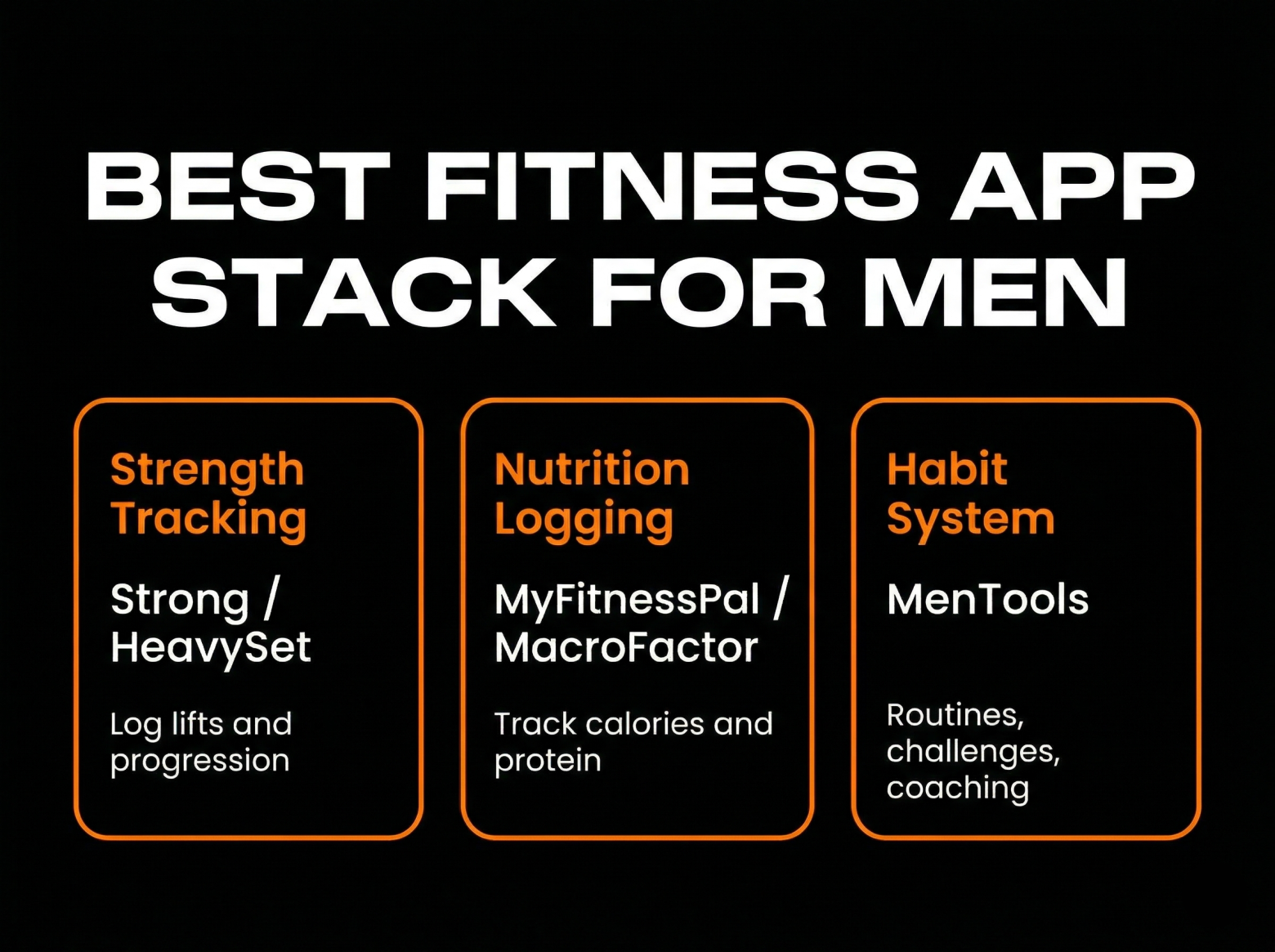
The best fitness apps for men in 2026 cover strength tracking, nutrition, recovery, and whole-life systems.
How We Ranked These 7
We filtered out the fluff. Most fitness apps are built for general audiences, not men who care about performance, time, and real‑world constraints. Research into behaviour change shows that habit consistency — not app sophistication — is the primary driver of long-term results.[1] We ranked these seven based on:
- Utility over Emotion: Does the app actually help a man lift more, lose fat, or get leaner at home in the next 12–16 weeks, or is it just hype and pretty screens?
- Speed & Friction: Can a busy man log a workout, meal, or habit in seconds without getting lost in menus, social feeds, or endless notifications?
- Data & Metrics: Does the app provide the right data (weights, volume, calories, readiness) in a way that shapes better decisions over time?
- System Integration: Does it play nicely with the rest of his life – work, family, stress, sleep – or does it live in a silo? MenTools scores high here because it is built as a system layer, not just another tracker.
1. MenTools
Best for: Men who want a full life system that connects fitness, habits, work, and relationships.
MenTools is different from the other apps on this list. Instead of being just a workout or nutrition tracker, it acts as an operating system for your life, giving you routines, challenges, and coaching that sit above your existing apps. Studies on self-regulation suggest that linking fitness behaviours to a wider personal routine structure can support long-term adherence.[2] You can still use Strong, Freeletics, or MyFitnessPal, but MenTools turns them into part of a bigger plan so you do not keep falling off when work, travel, or stress hit.
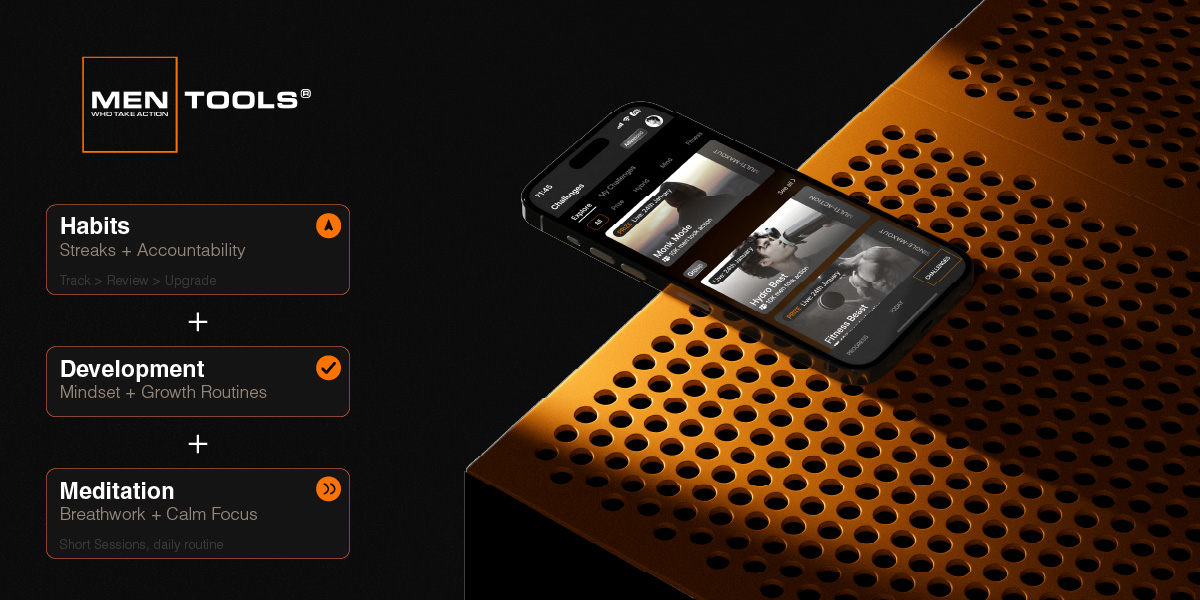
MenTools connects fitness, habits, and daily routines so men operate from a system, not random motivation spikes.
Most men do not fail because they picked the wrong workout app; they fail because there is no system around it. MenTools exists to give you that system so your training, sleep, focus, and habits all pull in the same direction.
How to use it:
- Start by mapping your current week: training days, work blocks, family time, and sleep, then set up a simple routine inside MenTools that reflects reality.
- Join a focused challenge (for example a 30‑day “Get Lean at Home” or “Stronger in 12 Weeks” path) so you have clear rules and accountability.
- Layer in supporting habits around your fitness app stack – steps, bedtime, morning routines – and track them inside MenTools so progress compounds.
If you already like your current workout or nutrition apps, MenTools does not replace them – it connects them. You can explore more ways to combine training, habits, and mindset inside the MenTools challenges, which are built specifically for men who want structure without fluff.
2. Strong
Best for: Men who lift in a normal gym and want fast, simple strength tracking.
Strong is a clean, no‑nonsense lifting tracker built for men who care about adding weight to the bar without wasting time. Progressive overload — the practice of consistently increasing training stimulus over time — is one of the most well-evidenced principles for building muscle.[3] You can quickly build or select programmes like push–pull–legs or upper/lower, log sets in seconds, and immediately see progress over weeks and months. It is ideal if you want to walk into the gym, open one screen, and know exactly what to do.
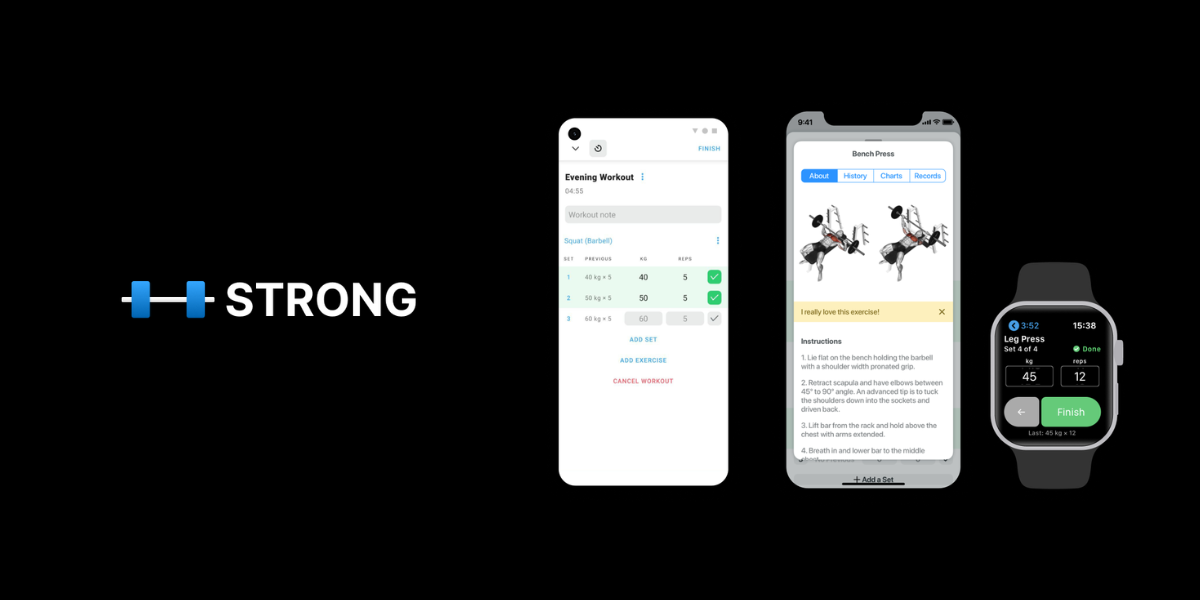
Strong gives men a simple dashboard for sets, reps, and progressive overload without distractions.
How to use it:
- Pick a basic strength split (full‑body 3 days per week, or upper/lower) and set it up as a template in Strong.
- Each session, log your sets and aim to add a small amount of weight or a rep or two compared to last week.
- Review your graphs every 4–6 weeks and adjust exercises or volume to keep progressing.
3. HeavySet
Best for: Men chasing serious strength numbers who enjoy data and structured cycles.
HeavySet feels like Strong’s heavier‑duty cousin, built for powerlifters and data‑driven lifters who programme using percentages and RPE. Training with RPE (Rating of Perceived Exertion) has been shown to support autoregulation, helping lifters manage fatigue and volume more precisely across training blocks.[4] It is a good fit if you like to run 5/3/1, DUP, or similar systems and want all the numbers in one place.
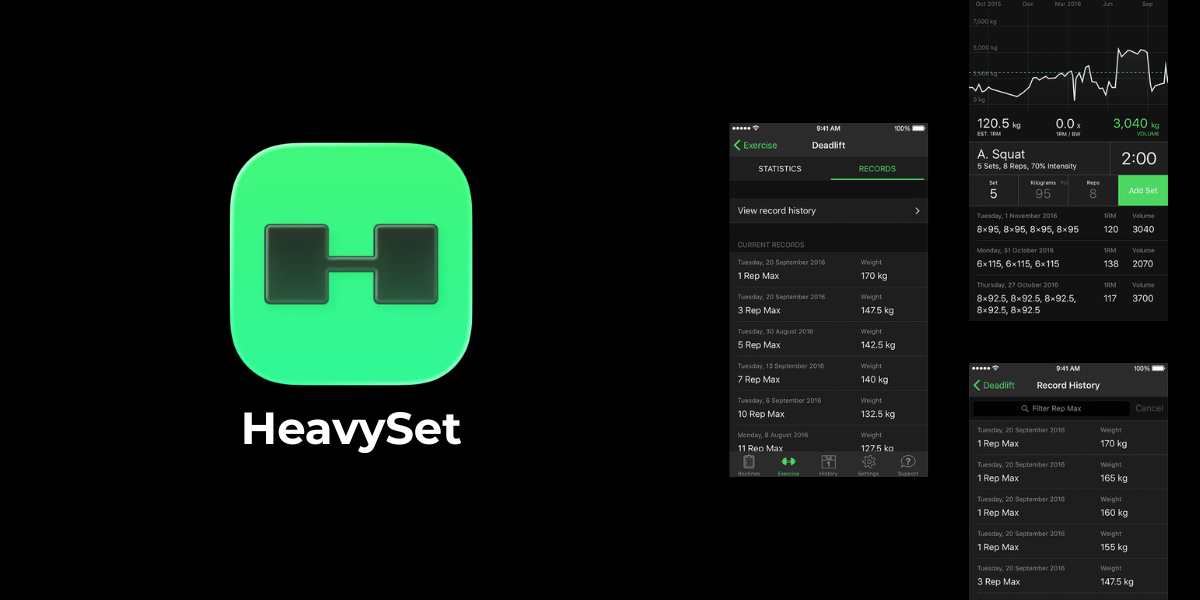
HeavySet helps men plan and track serious strength cycles with RPE and PR data at a glance.
How to use it:
- Choose a strength template (for example 5/3/1) and enter your current one‑rep max estimates into HeavySet.
- Follow the percentage‑based work sets and log your RPE so you can see how hard each phase feels over time.
- After each cycle, review your PRs and recovery, then adjust training maxes and assistance work as needed.
4. Freeletics
Best for: Men who want tough bodyweight workouts at home, outdoors, or while travelling.
Freeletics specialises in high‑intensity bodyweight and minimal‑equipment training that you can do almost anywhere. High-intensity interval-style bodyweight training has been associated with improvements in cardiovascular fitness and body composition in healthy adults.[5] You answer a few questions about your fitness level, schedule, and goals, and the app builds a plan that adapts as you improve.
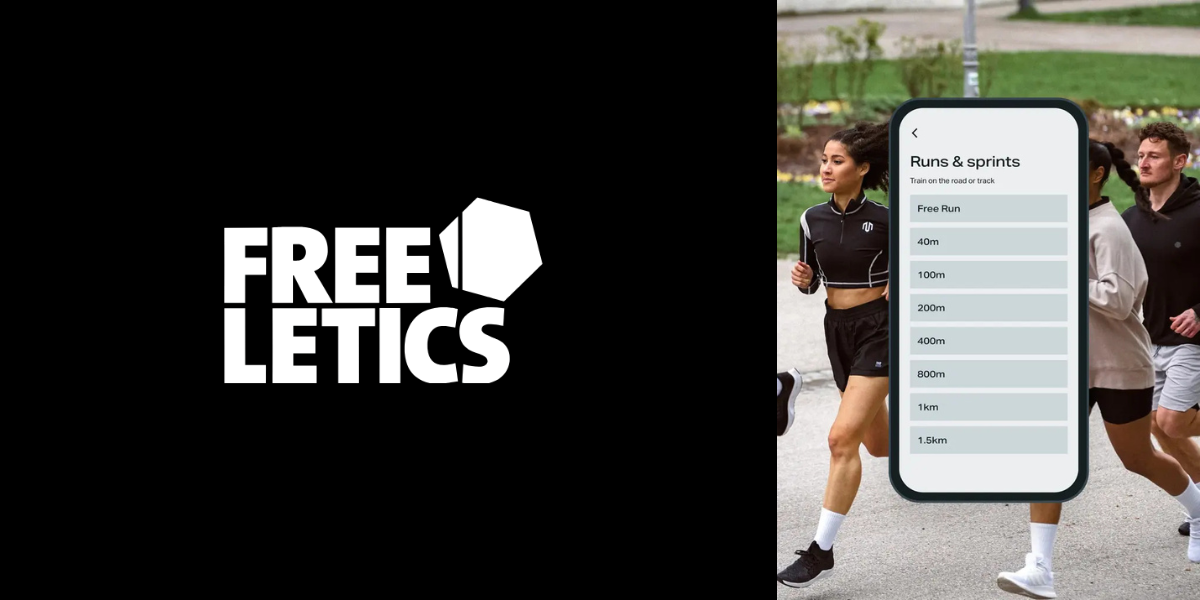
Freeletics pushes men through intense, scalable bodyweight sessions that fit into busy days.
How to use it:
- Complete the initial questionnaire honestly so Freeletics can set appropriate starting workouts and difficulty.
- Commit to at least three sessions per week and treat each workout like a timed challenge you complete, not just “try”.
- Track how your times and perceived effort improve across 4–8 weeks, and adjust intensity as your conditioning grows.
5. Nike Training Club / Centr
Best for: Men who prefer guided follow‑along workouts with coaching and structure.
Apps like Nike Training Club (NTC) and Centr provide video‑led sessions with trainers demonstrating every movement, giving cues, and pacing your workout. You can choose programmes around hypertrophy, conditioning, mobility, or general fitness, often with options for dumbbells, bands, or bodyweight only. This style suits men who want to “press play and go” rather than build plans from scratch or track every set manually.
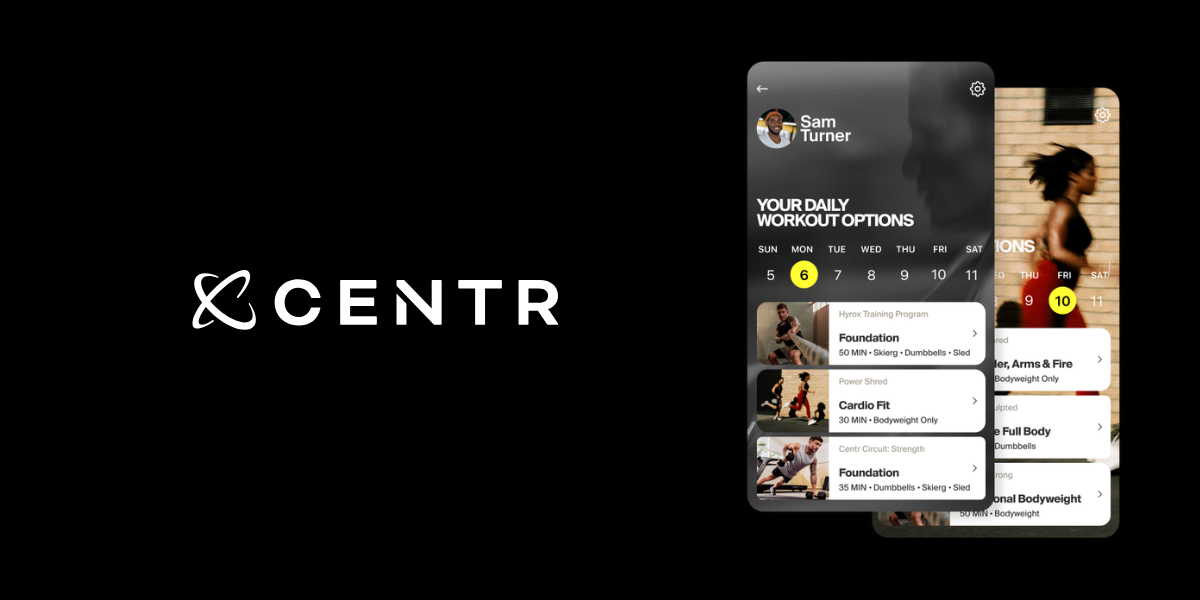
Guided video workouts remove decision fatigue for men who just want to follow coaching and get it done.
How to use it:
- Select a programme aligned with your main goal, such as muscle building, fat loss, or general conditioning.
- Schedule sessions into your week like appointments and commit to pressing play at the same time each training day.
- Progress by increasing weights, reducing rest, or moving to more advanced plans as the current one feels easier.
6. MyFitnessPal / MacroFactor
Best for: Men who need to control calories and protein to lose fat or gain lean muscle.
Training builds the muscle, but nutrition reveals it. Research consistently shows that a protein intake of approximately 1.6–2.2 g per kg of bodyweight per day can support muscle retention and growth in resistance-trained men.[6] Apps like MyFitnessPal and MacroFactor help you track calorie intake, protein, and other macros so your diet matches your goal. You can scan barcodes, search a large food database, and save regular meals so tracking becomes quicker over time, rather than a chore.
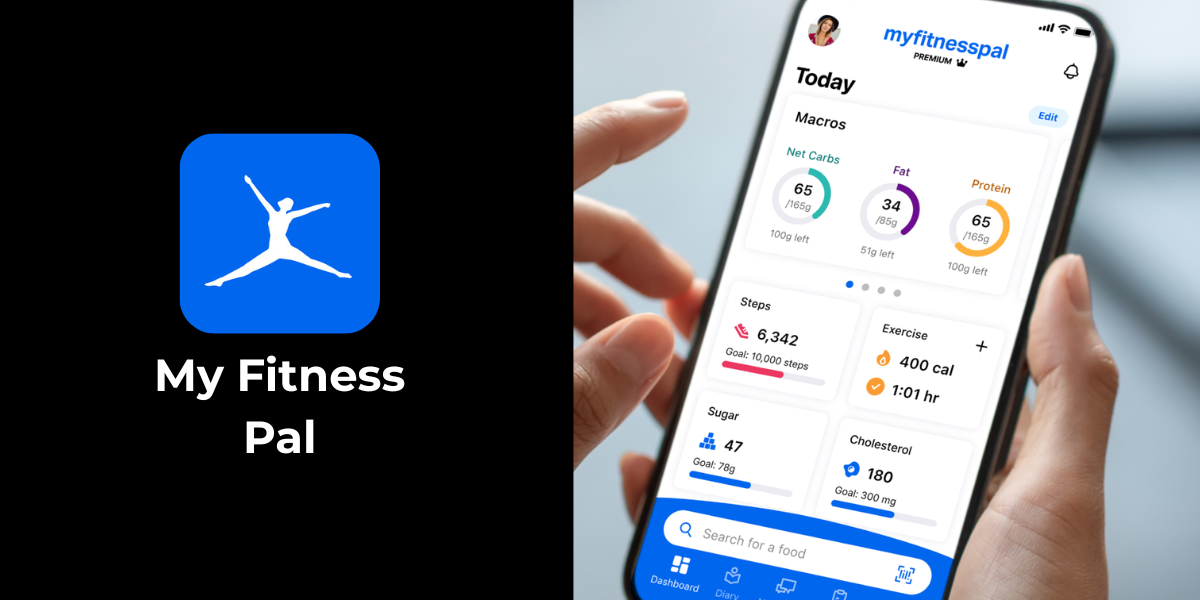
Nutrition trackers give men a clear view of calories and protein so cuts and lean gains are controlled, not random.
How to use it:
- Set your goal (fat loss, maintenance, or lean mass gain) and accept realistic calorie and protein targets.
- Log everything you eat and drink for at least 3–6 weeks to recalibrate your sense of portions and calorie density.
- Review weekly averages rather than obsessing over single days, then adjust calories slightly if progress stalls.
7. Whoop / Oura
Best for: Men who want to manage stress, sleep, and recovery alongside hard training and work.
Wearables like Whoop and Oura are not classic workout planners, but they strongly influence how you train. Sleep quality and heart-rate variability (HRV) are recognised markers of recovery readiness, and monitoring them can support better decisions around training load.[7] This is especially valuable for men juggling intense jobs, family, and heavy lifting or conditioning.
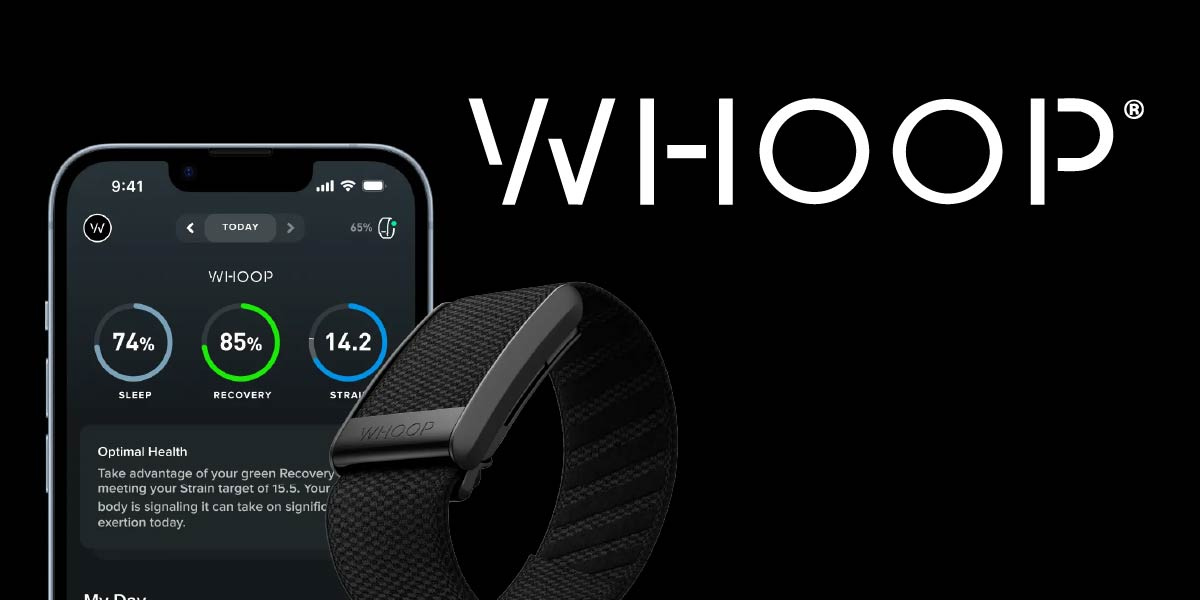
Recovery apps give men objective signals for when to push hard and when to prioritise sleep and deloads.
How to use it:
- Wear your device consistently and give it a couple of weeks to learn your baseline sleep and strain patterns.
- Use readiness scores to choose between heavy days, lighter technique work, or full rest when your recovery is low.
- Experiment with small changes to bedtime, caffeine, and screen time, then watch how your recovery metrics respond.
Comparison Table
| App | Best For | Key Feature | Cost |
|---|---|---|---|
| MenTools | Men who want a full system for fitness, habits, and life | Routines, challenges, and coaching that sit above your apps | Free and paid options |
| Strong | Busy men lifting in a gym who want fast, simple tracking | Clean strength logging and clear progress graphs | Free tier, paid upgrade |
| HeavySet | Serious strength athletes and data‑driven lifters | RPE and percentage‑based programming with PR tracking | Paid app, trial available |
| Freeletics | Men training at home or outdoors with bodyweight | High‑intensity, personalised bodyweight plans | Subscription |
| Nike Training Club / Centr | Guided follow‑along workouts with coaching cues | Video‑led sessions and structured training programmes | Free and premium options |
| MyFitnessPal / MacroFactor | Men focused on fat loss or precise nutrition control | Food logging, macros and calorie trend tracking | Free tier, paid upgrade |
| Whoop / Oura | Recovery‑driven men balancing stress, sleep, and training | Readiness scores based on sleep and strain data | Hardware plus subscription |
Options For Men to Get Fitter in 2026
You have three main paths to integrating a serious fitness habit that actually sticks this year:
- The Analog Route: Use a paper notebook, simple timers, and a written plan. This can work if you are disciplined, but it is easy to lose track of data and skip sessions when life gets busy.
- The App Route: Pick one or two specialist apps like Strong and MyFitnessPal to track workouts and food. You will get better numbers and clearer trends, but fitness may still feel disconnected from the rest of your life.
- The System Route (MenTools): Keep using the specialist apps you like, but plug them into MenTools so your routines, challenges, and habits are coordinated across fitness, sleep, mindset, and work.
The MenTools App is built for that third path. It gives you a single place to design your weeks, run challenges, and keep your fitness apps aligned with your bigger goals instead of just logging disconnected workouts. Explore the MenTools Ecosystem to find challenges built specifically for men who want structure without fluff.
For broader reading on training, mindset, and men’s performance, the MenTools blog covers the strategies and tools that sit behind a complete system. If you are also looking to reinforce your training with the right nutritional foundation, the MenTools supplements range is designed to complement an active man’s routine.
FAQ
What is the best fitness app for men in 2026?
There is no single best app for every man, but a strong stack is one training app, one nutrition app, and a system app. For most men, a combination like Strong or HeavySet for lifting, MyFitnessPal or MacroFactor for nutrition, and MenTools for routines and challenges covers all bases without overwhelming you.
Do I need more than one app to build muscle?
You can build muscle with just a simple training app, but results are easier to control when you also track nutrition and sleep. Using a lifting tracker, a macro app, and MenTools to build supporting habits around sleep and stress gives you a much higher chance of consistent progress.
What is the best app for men to lose fat at home?
If you want to lose fat at home, Freeletics or a guided app like Nike Training Club can work well because you can follow intense sessions with minimal kit. Pair that with a nutrition tracker and a MenTools fat‑loss challenge so your training, calories, and daily routines all support the same outcome.
How many weeks should I commit to a fitness app before switching?
Most men never see results because they jump between apps too quickly. Commit to one setup for at least 8–12 weeks, track training and nutrition honestly, and use MenTools to review your progress before deciding to change anything.
Is MenTools a replacement for my current workout app?
MenTools is not designed to replace specialist fitness trackers. It is built to sit above them as a system layer, giving you routines, challenges, and coaching that connect fitness with work, sleep, and mindset. Keep your favourite training app and use MenTools to help you follow through.
Can I use these apps if I travel a lot for work?
Yes. Bodyweight‑focused apps like Freeletics and guided platforms like Nike Training Club are ideal for hotel rooms and limited equipment. MenTools can help you design travel‑proof routines and challenges so you keep momentum even when you are moving between time zones and schedules.
What if I hate tracking every calorie?
You do not need to track forever. Use an app like MyFitnessPal or MacroFactor for 3–6 weeks to calibrate your sense of portions and calorie density, then shift to a simpler system. MenTools can help you turn those lessons into sustainable routines and rules so you are not stuck logging every meal forever.
How does MenTools help beyond fitness?
MenTools is built for whole‑life performance, not just the gym. You can use it to design routines around deep work, sleep, relationships, and personal goals, so your fitness progress supports – and is supported by – the rest of your life instead of competing with it.
Last updated: 2026-02-16 v1.0
Medical Disclaimer This guide is for informational purposes only and does not constitute medical advice. Always speak with your doctor or another qualified healthcare professional before starting any new supplement or programme if you have medical conditions or take prescription medication.
References
- Gardner B, Lally P, Wardle J. Making health habitual: the psychology of ‘habit-formation’ and general practice. British Journal of General Practice. 2012. Available at: https://bjgp.org/content/62/605/664
- Hagger MS, Luszczynska A. Implementation intention and action planning interventions in health contexts: state of the research and proposals for the way forward. Applied Psychology: Health and Well-Being. 2014. Available at: https://doi.org/10.1111/aphw.12017
- Schoenfeld BJ, Grgic J. Evidence-Based Guidelines for Resistance Training Volume to Maximize Muscle Hypertrophy. Strength and Conditioning Journal. 2018. Available at: https://doi.org/10.1519/SSC.0000000000000363
- Zourdos MC, et al. Novel Resistance Training–Specific Rating of Perceived Exertion Scale Measuring Repetitions in Reserve. Journal of Strength and Conditioning Research. 2016. Available at: https://doi.org/10.1519/JSC.0000000000001235
- Batacan RB Jr, et al. Effects of high-intensity interval training on cardiometabolic health: a systematic review and meta-analysis of intervention studies. British Journal of Sports Medicine. 2017. Available at: https://doi.org/10.1136/bjsports-2015-095841
- Morton RW, et al. A systematic review, meta-analysis and meta-regression of the effect of protein supplementation on resistance training-induced gains in muscle mass and strength in healthy adults. British Journal of Sports Medicine. 2018. Available at: https://doi.org/10.1136/bjsports-2017-097608
- Buchheit M. Monitoring training status with HR measures: do all roads lead to Rome? Frontiers in Physiology. 2014. Available at: https://doi.org/10.3389/fphys.2014.00073