Michael Gervais
Mini Bio:
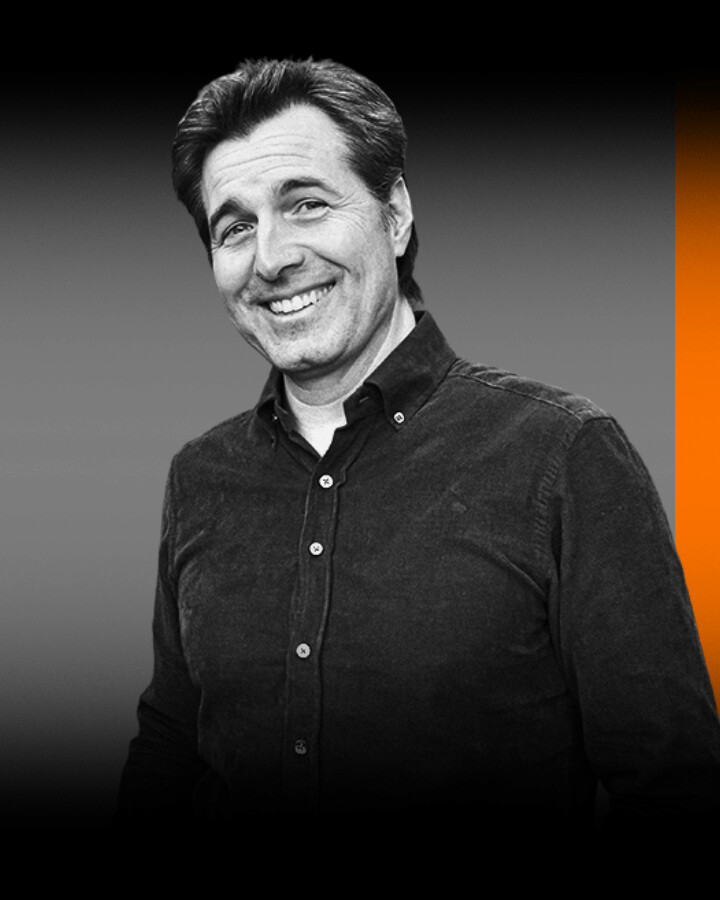
Dr. Michael Gervais is a trailblazer in human performance psychology, driven by a lifelong passion for understanding the intricacies of the human mind. Raised in an environment that fostered intellectual curiosity, he embarked on a journey of self-discovery that ultimately led him to become a leading authority in his field. With a profound understanding of mindset and resilience, Gervais has dedicated his career to empowering individuals to unlock their full potential and achieve peak performance in all aspects of life.
Drawing from his extensive experience working with elite athletes, corporate leaders, and individuals from diverse backgrounds, Gervais brings a unique perspective to the table. He advocates for a holistic approach to personal development, emphasizing the interconnectedness of mind, body, and spirit. Beyond his professional endeavors, Gervais finds joy in exploring the outdoors, immersing himself in nature’s beauty, and seeking inspiration from the natural world. His unwavering commitment to helping others thrive and his belief in the power of resilience continue to inspire countless individuals on their journey towards personal growth and fulfillment.
VIDEOS
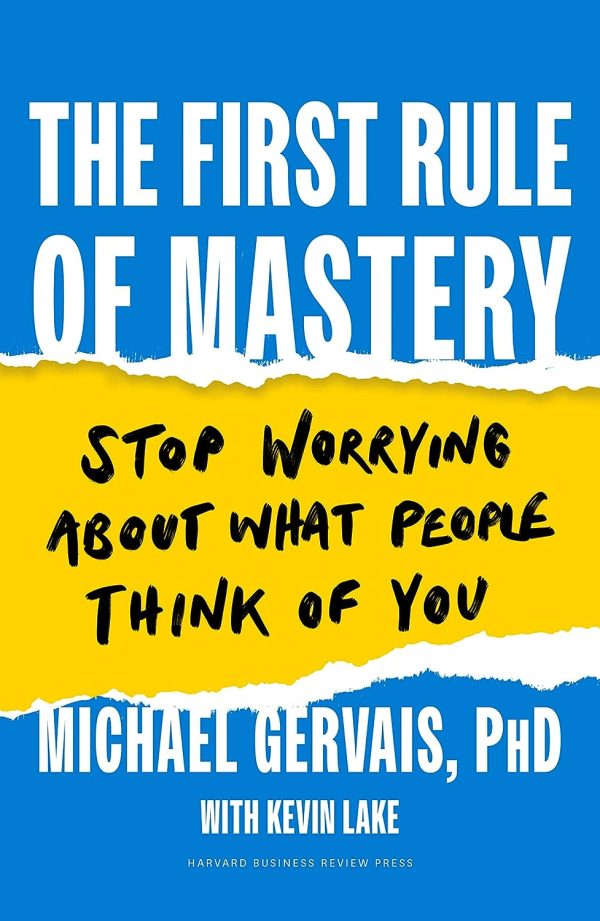
BOOKS
PODCASTS
On Finding Mastery, Dr. Gervais sits down with the best at what they do, like David Goggins, Brene Brown, Toto Wolff, soccer legend Abby Wambach, neuroscientist Dr. Andrew Huberman, and Microsoft CEO Satya Nadella — translating their life stories, mental skills, and personal practices into applicable tools you can use to unlock your potential.
Walk with us to the edge of human possibility and learn what you are capable of. New episodes every Wednesday.
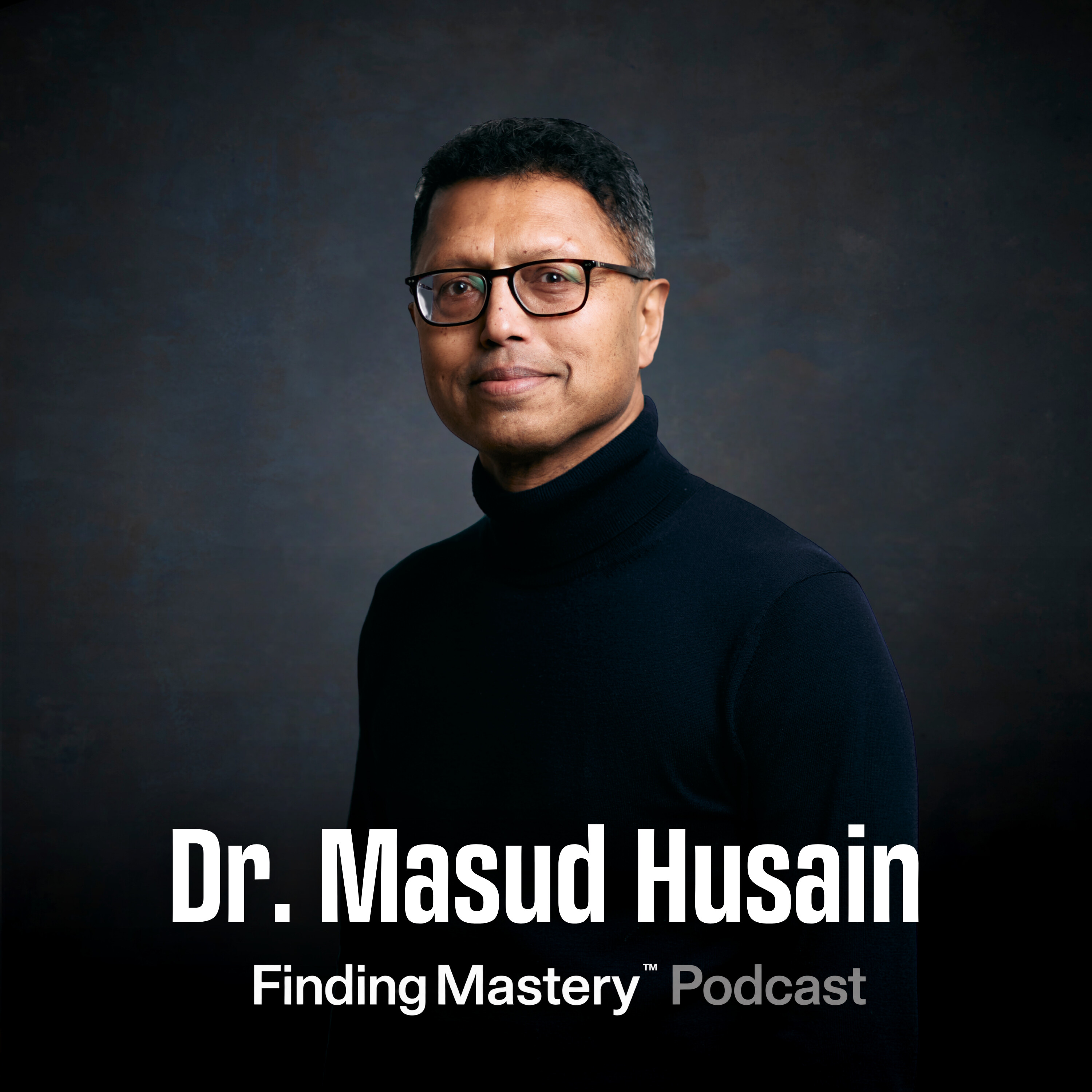
Dr. Masud Husain is a clinical neurologist, neuroscientist, and Professor of Neurology and Cognitive Neuroscience at the University of Oxford. He is Editor-in-Chief of the journal Brain and author of Our Brains, Our Selves, winner of the 2025 Royal Society Trivedi Science Book Prize.
The letter was about a man named David who had been highly productive, worked in finance, and was charming company. Then he lost his job, stopped showering, and could not be bothered to claim the benefits that would have covered his rent. Asked why he no longer listened to music, he said it would take five minutes to connect the cables.
David was not depressed. He had suffered two tiny strokes in the basal ganglia, structures deep in the brain that help link motivational cues to action. Nothing was worth the effort to him anymore.
After an initial treatment failed, Masud’s team tried another drug that acts on the dopamine system. Three months later David came back with a haircut, a suit, a new job, and a new girlfriend.
Addiction researchers had arrived at that same circuit from the other direction: Masud says it is the circuit hijacked by almost every drug of addiction. He and Mike get into what that overlap means about the science of motivation, why apathy and depression are different conditions, why there are more than 200 causes of dementia and what that means for prevention, and whether there is a self to be found in the brain at all.
This is a conversation for anyone who has decided to do something and then not done it. Masud frames motivation as a calculation of whether the reward is worth the effort, and the lever most of us have is the size of the effort.
After thirty years of seeing patients, the thing Masud says he has learned is that the self is not set in stone. You can change.
Enjoy the conversation.
______________________________________________________
Links & Resources:
Dr. Masud Husain’s Website: masudhusain.org
Dr. Masud Husain’s Books: Our Brains, Our Selves: What a Neurologist’s Patients Taught Him About the Brain, Oxford Textbook of Cognitive Neurology and Dementia (co-editor)
Dr. Masud Husain’s Journal: Brain, where he is Editor-in-Chief
Subscribe to our Youtube Channel for more conversations at the intersection of high performance, leadership, and wellbeing: https://www.youtube.com/c/FindingMastery
Get exclusive discounts and support our amazing sponsors!
Go to: https://findingmastery.com/sponsors/
Subscribe to the Finding Mastery newsletter for weekly high performance insights: https://www.findingmastery.com/newsletter
Download Dr. Mike’s Morning Mindset Routine: findingmastery.com/morningmindset
Follow on YouTube, Instagram, LinkedIn, and X
#FindingMastery #MasudHusain #DrMichaelGervais #OurBrainsOurSelves #Neuroscience #Neurology #Motivation #Apathy #Dopamine #Attention #Dementia #BrainHealth #Consciousness #Identity #HighPerformance #Psychology
See Privacy Policy at https://art19.com/privacy and California Privacy Notice at https://art19.com/privacy#do-not-sell-my-info.