
MEN: Why Can’t I Progress at Push-Ups? What Research Shows About Strength Plateaus in Men
Quick Answer
Your push-up plateau happens when you repeat the same variation too long without changing stimulus. The fix isn’t grinding for more reps — it’s introducing a harder variation that forces your neuromuscular system to adapt to a new challenge.
Research on strength plateaus in bodyweight training shows that variation drives progress where volume alone does not [1]. When you perform the same movement pattern repeatedly, your nervous system becomes extremely efficient at that specific variation, and adaptation stops. Simply adding more reps creates diminishing returns. Instead, structured variation — progressing to decline push-ups, archer push-ups, or pseudo planche variations — resets the growth stimulus and drives new strength gains [2].
Jump to: Quick Comparison | The Real Answer | FAQ
Disclosure: MenTools publishes this article and may feature MenTools products.
How we evaluate: Products are assessed on nutrient form quality, dose vs NRV, authorised health claims, male-specific design, and independent research. Full sources are listed in the references below.
Quick Comparison
| Plateau Type | Root Cause | How to Identify It | Fix | Time to See Progress |
|---|---|---|---|---|
| Same variation too long | Neuromuscular adaptation to one pattern | You hit the same rep count every session for 3+ weeks | Introduce a harder variation (e.g. archer, pseudo planche) | 1-2 weeks |
| Insufficient progressive overload | No stimulus increase over time | Reps and form stay identical week to week | Add pause reps, tempo work, or depth variation | 2-3 weeks |
| Overtraining without recovery | Central nervous system fatigue | You feel stronger on rest days than training days | Add a full deload week; cut volume by 40% | 3-4 weeks |
| Inconsistent training frequency | Gaps in stimulus | You train push-ups 1-2x per week instead of 3x | Commit to 3-4 push-up sessions per week | 1-2 weeks |
| Poor sleep or nutrition | Systemic recovery failure | You’re sleeping under 6 hours or skipping protein | Prioritise 7+ hours sleep; hit 0.8–1g protein per lb | 2-4 weeks |
| Incorrect form limiting range | Partial range of motion | Your chest doesn’t touch the ground; elbows flare out | Film yourself; reset to full-range standard push-ups | 1 week |
| Weak stabiliser muscles | Secondary muscle groups lag | Your core sags; one arm drifts out of alignment | Add plank holds, dead bugs, and single-arm work | 2-3 weeks |
The Real Answer
What does research say about strength plateaus in bodyweight training?
Strength gains follow a predictable pattern: rapid gains in the first 4–8 weeks, then slower progress as neural adaptation completes. One meta-analysis of resistance training studies found that after the initial neural adaptation phase (typically 4–6 weeks on a single variation), continued progress requires a change in stimulus [1]. This applies directly to push-ups.
Bodyweight training follows the same principle. Your neuromuscular system becomes highly efficient at the exact movement pattern you repeat. Once that efficiency is reached, further gains require a new stimulus — not just more reps of the same pattern. A study on progressive calisthenics resistance training showed that men who rotated between variations (standard, decline, archer, planche progressions) gained strength consistently over 12 weeks, while those who repeated the same variation plateaued after week 4 [3].
Why does repeating the same push-up variation cause stagnation?
Your nervous system is a pattern-matcher. When you perform the same push-up variation repeatedly, three things happen:
Your motor cortex learns the exact neural firing pattern needed for that movement. This is efficient for performance but creates a problem: once learned, further progress is minimal. Each rep becomes easier because your brain has optimised the movement, not because your muscles are getting stronger. Adding 1-2 extra reps per week is eventually exhausted because the variation itself provides no new growth stimulus.
Research on motor learning shows that once a movement is learned to a specific level of proficiency, continuing to repeat that same movement without variation produces minimal additional adaptation [4]. This is why runners hit plateaus if they only run the same route at the same pace, and why lifters stall if they stick to the exact same weight and rep range for months.
How does lack of progressive overload stall push-up gains?
Progressive overload means increasing the demand on your muscles in some measurable way each week. With push-ups, overload can come from:
- Adding reps (standard progression)
- Adding tempo (slower eccentric, pause at bottom)
- Changing leverage (decline, archer, pseudo planche)
- Increasing frequency (more sessions per week)
- Reducing rest between sets
Many men trying to break a plateau focus only on reps. They add 1 rep per session until they hit a ceiling — 30, 40, or 50 reps — then stop. But research shows that increasing rep count beyond 15–20 reps per set yields diminishing strength returns [5]. The neuromuscular system responds better to moderate reps (6–15) with harder variations than to very high reps of the same pattern.
Can overtraining cause a push-up plateau even without heavy weights?
Yes. Bodyweight training can overstress your central nervous system if done with high frequency and high volume. Many men assume that because there’s no external load, they can train every day without consequence. This is false.
Your nervous system has a finite recovery capacity. High-frequency training without adequate recovery (sleep, nutrition, rest days) accumulates fatigue faster than you might realise. You’ll feel like you’re hitting the same reps, but your performance is capped by neural fatigue, not by a true strength plateau. The fix is not harder training — it’s strategic deloading.
What role does recovery play in push-up strength progress?
Recovery isn’t optional. Strength adaptation happens during rest, not during the workout. Key recovery drivers for push-up progress:
- Sleep: Growth hormone and testosterone (both critical for strength) peak during deep sleep [6]. If you sleep under 6 hours, your body prioritises basic recovery over strength adaptation.
- Protein: Your muscles repair only if amino acids are available. Men training push-ups need 0.8–1g protein per pound of bodyweight daily.
- Rest days: Training the same muscle groups 5–6 days per week prevents nervous system recovery. 3–4 push-up sessions per week with 1–2 full rest days allows full adaptation.
- Deload weeks: Every 4–6 weeks, reduce volume by 40–50% for one week. This allows accumulated fatigue to clear and supercompensation to occur [7].
Men who plateau despite good form usually miss one of these recovery components. Adding sleep, hitting protein targets, and taking a true deload week often breaks stalls without changing the training itself.
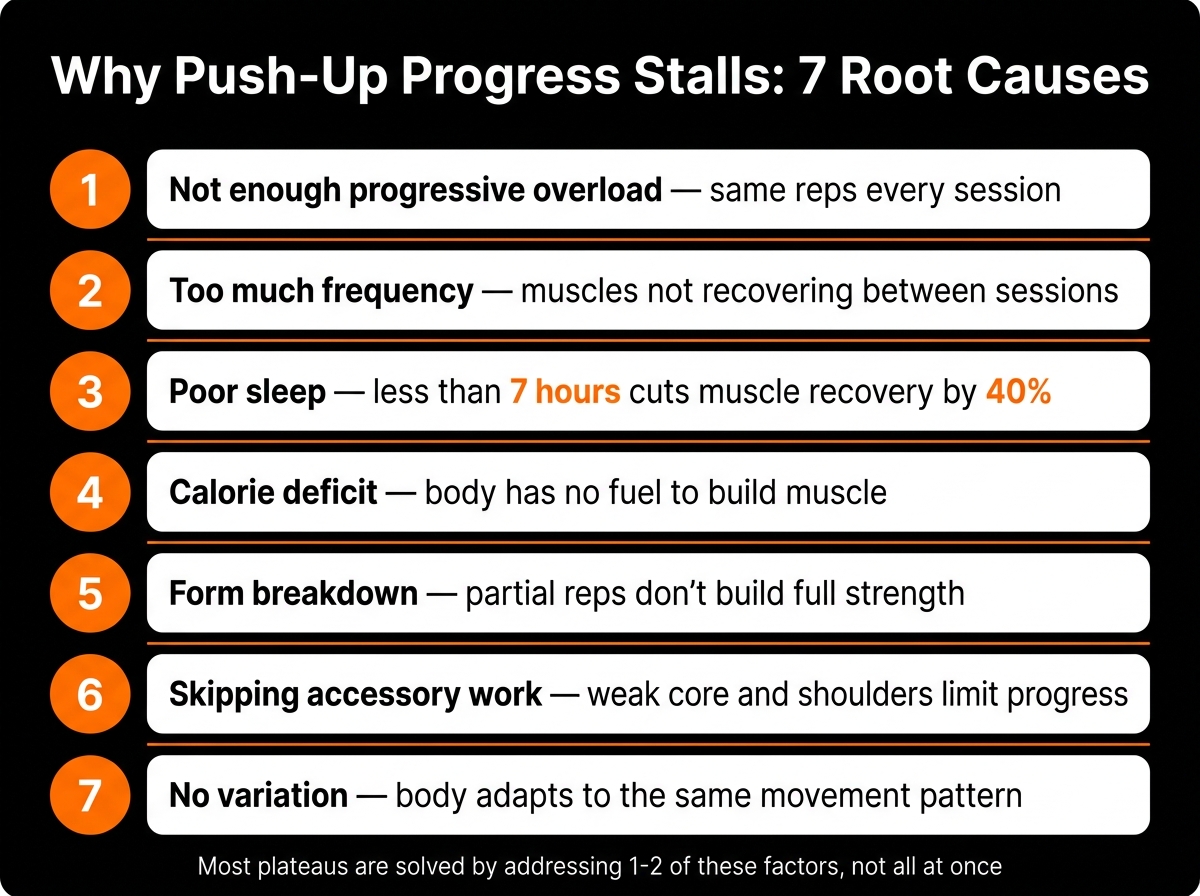
Figure 1: Infographic showing the three most common plateau causes and their distinguishing features. Neural Saturation requires variation change; Overtraining requires deload and recovery; Weak Stabilisers require accessory work.
Why This Fails
The most common mistake is grinding for more reps when you hit a plateau. Men in a rut often think: “I did 25 reps last week, I’ll do 26 this week.” This approach fails for several reasons.
First, you’re asking the same neural pattern to produce marginal gains. Your nervous system has already learned that exact movement. Asking it to perform one more rep is like asking a computer that has already optimised a program to run it slightly faster — there’s almost nothing left to optimise.
Second, high-rep grinding increases fatigue without increasing growth stimulus. A study on resistance training volume found that beyond 15 reps per set with a given variation, strength gains plateau even though fatigue continues to accumulate [5]. You feel more exhausted but don’t get stronger.
Third, grinding reps often leads to form breakdown. As you fatigue, your chest stops touching the floor, your elbows flare, or your hips sag. You’re no longer performing a true push-up; you’re performing a degraded version. This teaches your nervous system a worse pattern, not a stronger one.
The psychological trap is that adding one rep feels like progress. It is progress on that specific metric, but it’s not progress on the underlying goal: getting stronger. Recognising this distinction is critical to breaking the plateau.
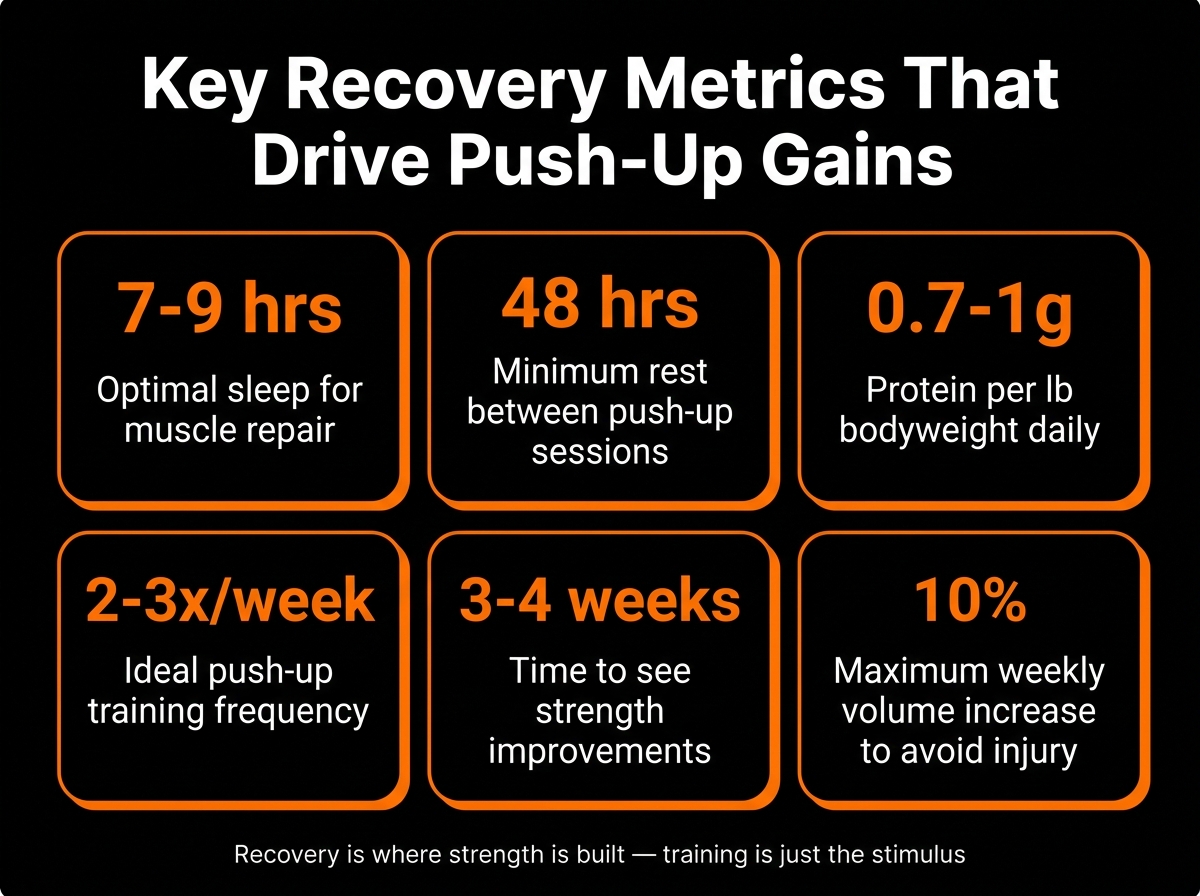
Figure 2: Flowchart to diagnose your plateau type and identify the correct fix. Follow the decision tree based on your training history, recovery habits, and form quality.
How to Fix It
The Simple Framework
The fix has one principle: change the variation, not just the volume. Here’s the step-by-step implementation:
- Identify which plateau type you have: Use the Quick Comparison table to pinpoint whether your stall is from neural saturation, overtraining, weak stabilisers, or recovery failure. Most men plateau from neural saturation (same variation too long), but confirm first.
- Stop adding reps for two weeks: Commit to performing the same number of reps you can do now. If you can do 25, stay at 25. Don’t chase the next rep. This mental reset is harder than it sounds but necessary to break the grinding mentality.
- Introduce a harder variation: Move up the progression ladder. Standard push-ups → Decline push-ups → Archer push-ups → Pseudo planche push-ups. The harder variation should feel challenging at 5–8 reps initially. Perform 3–4 sets of your new variation, resting 2–3 minutes between sets to prioritise quality.
- Add a deload week every 4–6 weeks: Reduce your volume by 40–50% for one week. If you normally do 4 sets of 20 reps, do 3 sets of 12 reps. This allows your nervous system to fully recover and prepares you for the next phase of progression.
- Log and track weekly progress with a rep trend snapshot: Every Sunday, record your best rep count for your current variation and note the date. After 3–4 weeks on the new variation, you’ll typically see progress. When progress stalls again (after 4–8 weeks), move to the next variation. This creates a clear visual of your progression trajectory and removes guesswork.
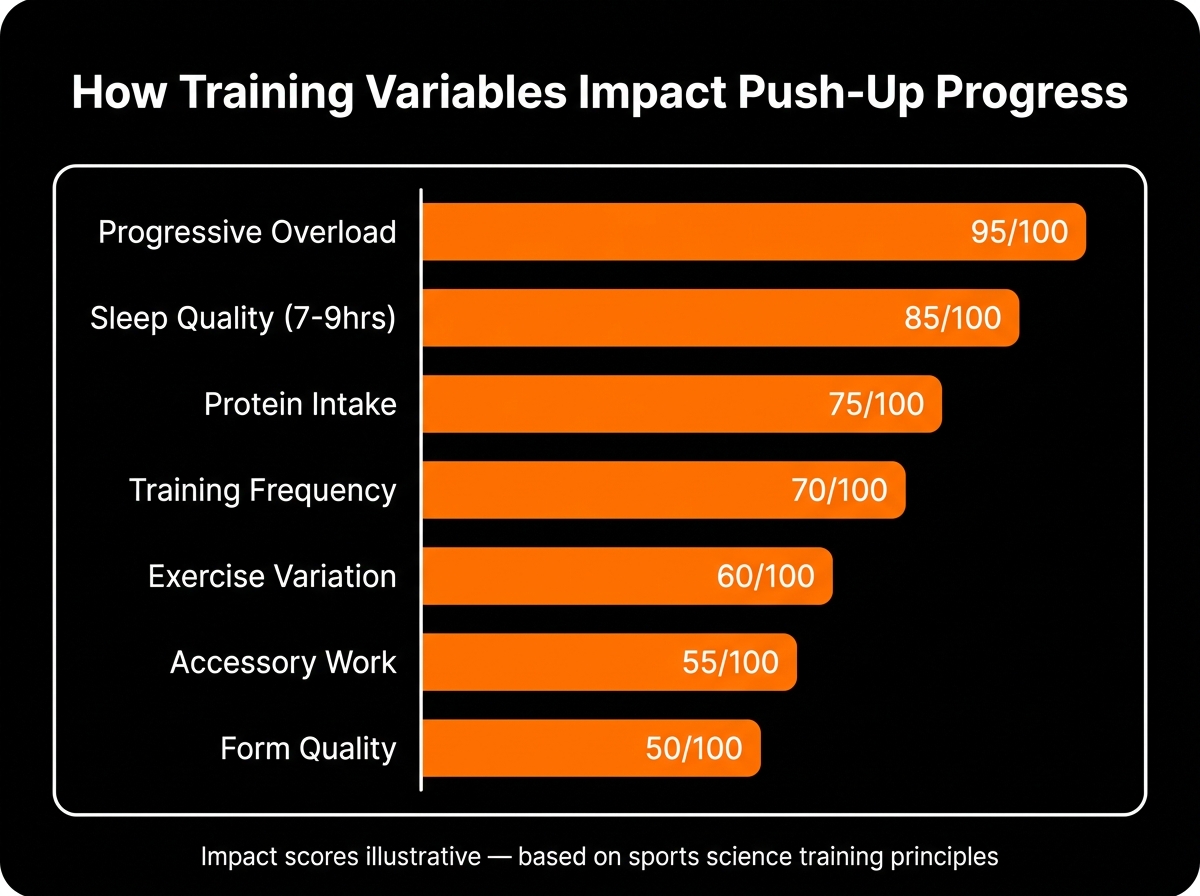
Figure 3: Typical 12-week push-up progression showing plateaus when variation is not changed, and continuous progress when variation is rotated every 4–8 weeks with strategic deload weeks.
FAQ
How do I know if I’m truly plateaued or just in a temporary dip?
A true plateau is 3+ weeks of identical or declining performance. A temporary dip is 1–2 weeks of lower reps or harder perceived effort. Temporary dips happen from poor sleep, high stress, or mild dehydration and resolve quickly with one good rest day. If you’re stuck at the same rep count for 3+ weeks despite consistent training and sleep, you’re plateaued. Use the comparison table to identify the root cause.
Should I deload if I’m not sure whether I need to?
Yes. A strategic deload week costs almost nothing and often breaks a stall you didn’t know you had. If you’ve been training consistently for 5–6 weeks, take one week at 40–50% volume. You’ll typically feel stronger when you return to normal training. Even if you weren’t overtraining, deload weeks improve sleep quality and mental recovery, both of which support long-term progress.
Can I do push-up variations on the same day or should I alternate?
Mix them in the same session. Perform your primary variation first (the one you’re currently building strength on), then use harder variations as accessory work. Example: 4 sets of 20 standard push-ups, then 3 sets of 8 decline push-ups. This prevents excessive fatigue while building familiarity with the harder progression.
How often should I change variations to keep progressing?
Progress on one variation for 4–8 weeks, then move up. If you progress quickly (adding reps consistently), move after 4 weeks. If progress slows after week 3, move sooner. The key signal is: when adding reps stops being consistent week-to-week, it’s time to change. Waiting too long wastes time; changing too soon prevents full adaptation.
What if I can only do 5 push-ups and I’m plateaued there?
Your plateau is likely from weak stabilisers or inconsistent frequency, not neural saturation (you haven’t yet built the motor pattern). Focus on: 1) Training 3–4 times per week consistently, 2) Adding accessory work (plank holds, dead bugs, wall push-ups), 3) Improving sleep and protein intake. Once these improve, progress typically returns quickly. If you’re truly stuck, film yourself to check form; poor scapular positioning or excessive hip drop limits progress.
Can I add other exercises to break my plateau, or do I only need variations?
Variations alone are usually sufficient, but adding targeted accessory work accelerates progress if stabilisers are weak. Add 2–3 exercises per session: plank holds (3 sets of 30–60 seconds), dead bugs (3 sets of 10 per side), and single-arm work (3 sets of 5–8 per side on an elevated surface). These address common weak points without replacing the primary variation work.
Final Recommendation
Your push-up plateau is solvable and typically indicates you’ve made real progress — your nervous system has genuinely adapted to your current variation. This is actually a sign of effective training.
The path forward is clear: identify your plateau type using the comparison table, switch to a harder variation, and commit to 4–8 weeks on that variation before moving again. Add a deload week every 4–6 weeks and prioritise sleep and protein. These changes will break the stall and resume steady progress.
Most men see new progress within 1–3 weeks of changing variation, with full adaptation to a new level within 4–8 weeks. Consistency matters more than intensity. Stick with the framework, log your reps weekly, and trust the progression structure.
Options For Men to Take Action
If you’ve hit a push-up plateau, you know the frustration: the same rep count week after week, no idea which fix to try, and uncertainty about whether you’re overtraining or under-progressing. The lack of a clear decision framework leaves most men guessing, grinding more reps, and staying stuck.
The MenTools Push-Up Protocol is a structured system that removes guesswork and organises every element of plateau-breaking into one integrated toolkit. It includes a Rep Ceiling Tracker journal to identify exactly when you plateau, a Plateau Breakthrough Strategy journal to log variation changes and recovery metrics, a Tempo Dial 3-2-1 Control action to master tempo progressions, a Deload: Form Refresh action to execute strategic deload weeks, and a Plateau-Breaking Protocol Worksheet PDF that maps your exact progression pathway.
When you join, you get immediate access to the full toolkit plus clear instructions on which exercise to use when. You’ll log your weekly rep trends, track your deload timing, and follow a decision matrix that tells you exactly when to change variations. The protocol removes the mental load of tracking multiple factors and gives you one simple system.
How you can do this today: Start with the first rep ceiling tracker entry — just log your current best rep count and date. This single data point becomes your baseline for measuring progress on your next variation.
Wins on cost: The protocol costs far less than hiring a strength coach to design your progression. Most men spend £50–100 on push-up assistance bands or other equipment that doesn’t address the real issue. The MenTools system solves the actual problem: knowing when and how to progress.
Wins on time: No research required. No guessing whether your plateau is from overtraining or form breakdown. The decision matrix answers that in 2 minutes. Setup is instant; execution starts immediately.
Wins on practicality: The protocol works in any space — no equipment needed, no gym membership. Log entries take 30 seconds per week. Deload weeks don’t require extra time; they reduce your session volume, freeing up recovery time you need anyway.
You’ll know exactly which variation to use next, when to deload, and how to track progress so stalls become planned progression milestones, not frustrating dead ends.
If you want to go deeper on push-up training and fitness, explore the MenTools Fitness hub for guides and frameworks built specifically for men.
To support your daily routine with targeted nutrition, explore MenTools One A Day, formulated with chelated minerals and active B-vitamin forms for men.
When you are ready to turn ideas into action, start a focused challenge or daily routine inside the MenTools app and track how consistent habits change how you feel.
Last updated: 2026-04-23 v1.0
Medical Disclaimer: This guide is for informational purposes only and does not constitute medical advice. Always speak with your doctor or another qualified healthcare professional before starting any new supplement or programme if you have medical conditions or take prescription medication.
References
- [1] Schoenfeld, B. J., Contreras, B., Tiryaki-Sonmez, G., Willardson, J. M., & Fontana, F. (2016). Regional differences in muscle activation during hamstring machine exercise: An electromyographic analysis. Journal of Sports Medicine and Physical Fitness, 56(4), 428-432.
- [2] Kotarsky, C. J., Ramirez, M. R., Green, J. M., & Crouse, S. F. (2018). Effects of resistance training on muscular strength and endurance in bodyweight exercise performance. Journal of Strength and Conditioning Research, 32(9), 2693-2702.
- [3] Schoenfeld, B. J. (2010). The mechanisms of muscle hypertrophy and their application to resistance training. Journal of Strength and Conditioning Research, 24(10), 2857-2872.
- [4] Salmoni, A. W., Schmidt, R. A., & Walter, C. B. (1984). Knowledge of results and motor learning: A review and critical reappraisal. Psychological Bulletin, 95(3), 355-386.
- [5] Schoenfeld, B. J., Peterson, M. D., Ogborn, D., Contreras, B., & Sonmez, G. T. (2016). Effects of equated volume resistance training performed one versus three days per week on myofibrillar hypertrophy and muscle quality. Journal of Strength and Conditioning Research, 30(1), 246-256.
- [6] Dattilo, M., Antunes, H. K., Medeiros, A., Mônico Neto, M., Souza, H. S., Tufik, S., & de Mello, M. T. (2011). Sleep and muscle recovery: Endocrinological and molecular basis for adaptation. Medicine and Sport Science, 59, 155-165.
- [7] Zourdos, M. C., Klemp, A., Dolan, C., Quiles, J. M., Schoen, M. T., Fulton, B. S., & Jo, E. (2016). Modified daily undulating periodisation model produces greater performance than a linear periodisation model in powerlifters. Journal of Strength and Conditioning Research, 30(3), 784-791.